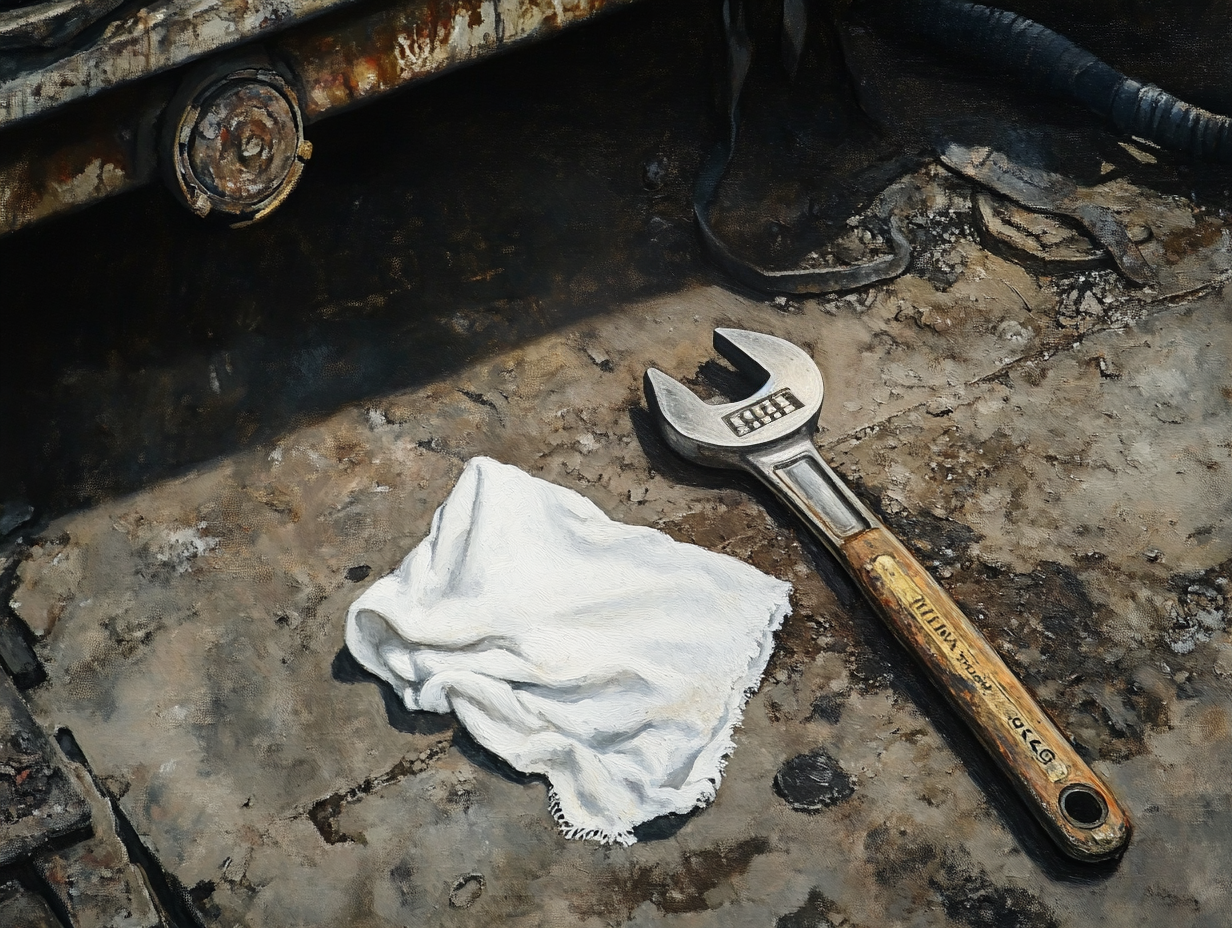
An analogy often used to describe righteousness and sin is the contrast between being clean and dirty. In that light, today I want to accentuate the idea that the Atonement of Jesus Christ is about more than just becoming clean; it’s about becoming someone who no longer gets dirty. Through Christ’s grace, we are not only forgiven and cleansed but also empowered to change. This dual aspect of Christ’s Atonement—cleansing and converting—is central to the gospel of Jesus Christ and essential for our eternal progression. The below table shows some examples of the dual nature of Christ’s atonement.
| Cleansing Power of The Atonement of Jesus Christ | Converting Power of The Atonement of Jesus Christ |
|---|---|
| sacrament water | sacrament bread |
| baptism of water | baptism of fire |
| repentance | conversion |
| what we have done | what we have become, who we are |
| overcome sin | overcome the desire to sin |
| avoid and overcome bad | do and become good |
| put off the natural man | become a saint |
| clean hands | pure heart |
| remission of sin | no more disposition to do evil, but to do good continually |
| overcome taint of sin | overcome the tyranny of sin |
| retain a remission of your sins | walk guiltless before God |
The cleansing power of Christ’s Atonement is undeniably essential for our exaltation—a truth that cannot be overstated. However, it’s equally important not to overlook the converting power of The Atonement of Jesus Christ. Elder David A. Bednar has emphasized:
…remission of sin is not the only or even the ultimate purpose of the gospel. To have our hearts changed by the Holy Spirit such that “we have no more disposition to do evil, but to do good continually” (Mosiah 5:2), as did King Benjamin’s people, is the covenant responsibility we have accepted.
The gospel is not about overcoming merely sin, but even the desire to sin. It is about becoming someone who naturally chooses righteousness, a person who sins less and less as they grow closer to Christ.
A perspective from Elder Dallin H. Oaks can help us expand on this idea:
…we conclude that the Final Judgment is not just an evaluation of a sum total of good and evil acts—what we have done. It is an acknowledgment of the final effect of our acts and thoughts—what we have become.
This insight shifts our focus from the past to the present. Instead of being judged for what we have or haven’t done, we will be judged by who we have become.
When a mechanic fixes a car with a leak, he doesn’t stop at cleaning up the spilled fluid. He investigates the cause and repairs the leak itself. It would be near pointless for the car owner to repeatedly clean up the mess without addressing the underlying problem.
In the same way, Christ doesn’t just cleanse us from sin—He heals and transforms us. He doesn’t merely forgive our past mistakes; He helps us become the kind of person who sins less. Focusing only on becoming clean is ineffective if we don’t also strive to change and grow through Christ.
Because of Jesus Christ not only can we be cleansed from sin but also changed into new creatures. As we embrace both the cleansing and converting power of Christ’s Atonement, we move closer to becoming who He wants us to be, progressing toward eternal life.
Additional Reading
Clean Hands and a Pure Heart, David A. Bednar, 2007